When Brahms met the banality of evil: two musicians, one hell, impossible choices.
The stories of Jewish cellist Anita Lasker-Wallfisch, who survived Auschwitz, and of star conductor Wilhelm Furtwängler, who worked with the Nazis, provide insight. The film centers around two people who represent musical culture during the Third Reich - albeit in very different ways. Wilhelm Furtwängler was a star conductor; Anita Lasker-Wallfisch, the cellist of the infamous Women’s Orchestra of Auschwitz. Both shared a love for the classical German music.
Direction
Berger lets the contradictions breathe; no easy villains, no heroes.
Acting
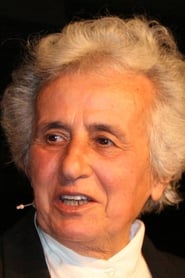
Anita's testimony—sharp, unsentimental, 97 years of refusing to perform victimhood.

Director
Christian Berger


Trivia, insights & behind the scenes
Anita's son is the cellist of the London Philharmonic; her grandchildren include a founding member of the band Clean Bandit—art as inheritance, defiantly continued.
Furtwängler was investigated by Allied denazification courts and cleared, yet never performed at Bayreuth again—the judgment of history versus the judgment of law.
No ratings yet
Sign in to join the discussion — comments are spoiler-gated to your watch progress.
Discussion starters

 DE
DE