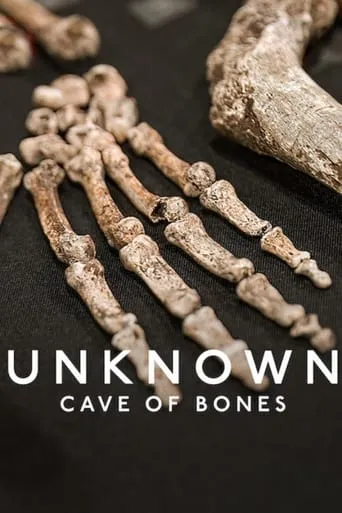
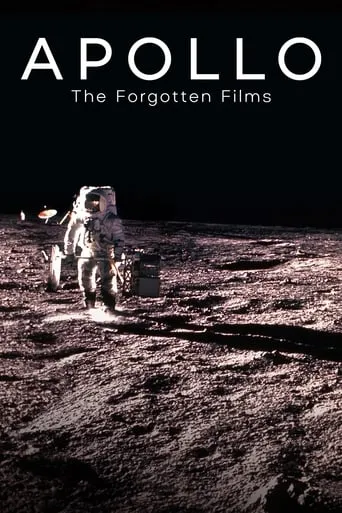
From the far north of Canada to the southern tip of Chile, through the southern United States, central Mexico and the Brazilian Mato Grosso, new concordant but still controversial archaeological discoveries have brought a new paradigm to the archaeology of American prehistory: the appearance of the first humans on the continent could date back to nearly 30,000 years before our era, that is to say, about 15,000 years earlier than the commonly accepted and taught thesis. Although there were a few mavericks in the past who disputed the scenario according to which the first ancestors of Americans arrived on foot through the Bering Strait 16,000 years ago, they were long kept out of the scientific community.
Cinematography
Stunning landscapes from Arctic tundra to Chilean caves.
Writing
Complex science made genuinely gripping.
Director
Robin Bicknell
Trivia, insights & behind the scenes
The White Sands footprints featured were dated using seeds from an extinct grass—a technique that sparked its own scientific firestorm.
The film quietly mirrors how Indigenous oral histories, long dismissed by Western archaeologists, often described much deeper timelines than the academic consensus allowed.
No ratings yet
Sign in to join the discussion — comments are spoiler-gated to your watch progress.
Discussion starters


 CA
CA FR
FR