A gender-bent messiah in heels? The Takarazuka Revue does historical tragedy like nobody else.
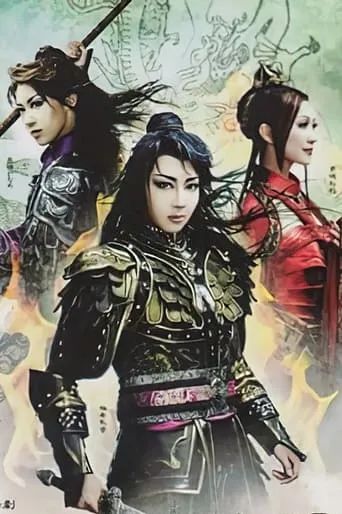
Messiah –The Strange Tale of of Amakusa Shirō– The story takes place in Edo Castle in 1656. Foreign-style painter Yuan Yamada is asked by the young shogun Ietsuna Tokugawa to tell him the truth about the rebellion in the Bizen Shimabara domain 20 years ago. Yuan begins to tell the story of Tokisada (Shiro) Amakusa, the man who stood up for the people and became venerated as a messiah. Beautiful Garden; A Profusion of Flowers A profusion of beautiful, talented women† — an eternal flower garden with blooms of various scents and colors — Takarazuka.
Costume
Takarazuka's legendary otokoyaku transformation — suits, swords, and impossible shoulders.
Production
Two shows in one: the intimate chamber drama and the explosive revue spectacle.
Acting
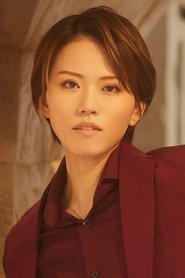
Rio Asumi's Shirō — fragile, furious, and devastatingly charismatic.
Director
Kousaku Noguchi
Trivia, insights & behind the scenes
Takarazuka's otokoyaku tradition dates to 1914; its androgynous female 'male' stars have queer cult followings across East Asia. This film preserves a Flower Troupe production that would otherwise vanish after its limited run.
The framing device — Yuan painting Shirō's story 20 years later — mirrors how the Tokugawa shogunate controlled Shimabara's memory. The film itself becomes contested historiography.
No ratings yet
Sign in to join the discussion — comments are spoiler-gated to your watch progress.
Discussion starters

 JP
JP