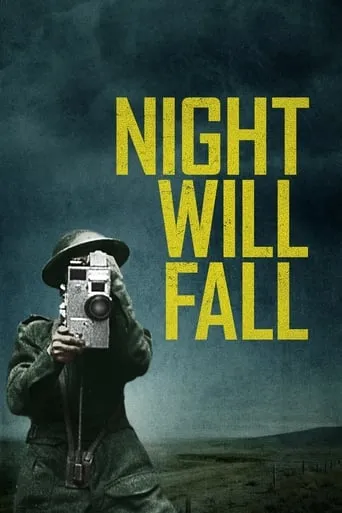
The director Hollywood chewed up and forgot—until now.
Canadian-born filmmaker Sidney J. Furie made his name with British hits like The Young Ones (1961), The Leather Boys (1964), and The Ipcress File (1965). When he arrived in Hollywood, Marlon Brando and Frank Sinatra wreaked havoc on his first major studio productions. In 1968, the newly emigrated director joined a stable of cutting-edge filmmakers at Paramount Pictures, under the new leadership of Bob Evans. His films saw both a stylistic departure and a shift in thematic focus. What was behind the evolution, and which aspects unite all of Furie's films?
Direction
Kremer crafts elegiac tribute without hagiography.
Production
Rare archival access to Paramount's late-60s inner workings.

Director
Daniel Kremer
Trivia, insights & behind the scenes
Furie shot The Ipcress File's famous ceiling-heavy frames because the set was too small for conventional angles—necessity birthed his signature style.
The documentary's title references Furie's obsessive compositional technique, but Kremer subtly suggests it also describes what Furie never achieved: clear vision of his own career trajectory.
No ratings yet
Sign in to join the discussion — comments are spoiler-gated to your watch progress.
Discussion starters

 US
US