History's ghosts finally speak — and they demand you listen.
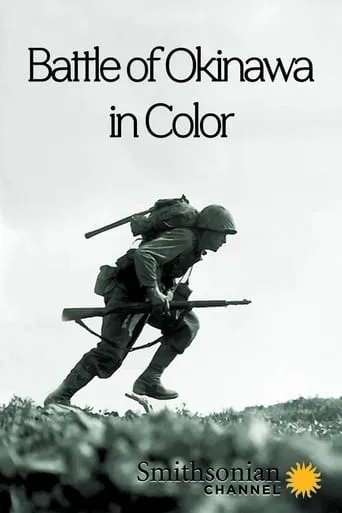
In the final hours of the Pacific War, Okinawa was the destination for Korean men conscripted as “military laborers” and Korean women taken as “comfort women.” Little is known about the number of casualties or their experiences. In 1989, Park Soonam started to track down the survivors of the Battle of Okinawa to record their testimonies. In 1990, Park visits Korea in search of former “military laborers” who had survived Okinawa and repatriated to Korea. The survivors vividly recount their experiences of their compatriots’ murder and about the “comfort women” to the Zainichi Korean female director. The film zeroes in on the murder of Korean “military laborers” and the presence of “comfort women” in Okinawa via testimonies of former Japanese soldiers.
Direction
Park's patient, witness-bearing camera refuses spectacle.
Editing
Testimony rhythm builds cumulative, crushing weight.
Director
Park Soo-nam
Trivia, insights & behind the scenes
The title references 'Arirang,' the unofficial Korean anthem of exile and longing—transformed here into a song for the unburied dead of Okinawa.
Park began filming in 1989, before the 'comfort women' issue exploded globally in the 1990s—making this one of the earliest cinematic documents, shot while survivors were still finding language for unspeakable experience.
No ratings yet
Sign in to join the discussion — comments are spoiler-gated to your watch progress.
Discussion starters

 JP
JP