As she tries to cope with the changes in Yugoslav rural life brought about by increasing modernization, the Widow Karolina wishes she had become a mother. As difficult as things are for her, they are nonetheless much more difficult for her more-conservative and less-thoughtful neighbors.
Acting
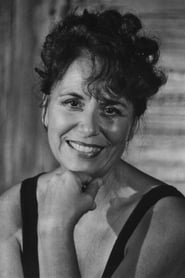
Milena Zupančič's face carries entire decades of unspoken longing.
Cinematography
Slovenian countryside shot like a memory that's already fading.
Direction
Klopčič lets scenes breathe until you feel the village's suffocation yourself.

Director
Matjaž Klopčič

Trivia, insights & behind the scenes
This film emerged during Yugoslavia's 'Black Wave' cinema movement, where filmmakers used rural settings to critique socialist modernization without explicitly attacking the Party—Klopčič's widow becomes a metaphor for tradition abandoned by progress.
Milena Zupančič reportedly refused to speak to Miranda Caharija off-set to maintain their characters' antagonism, which explains why their scenes crackle with genuine village-hall tension.
No ratings yet
Sign in to join the discussion — comments are spoiler-gated to your watch progress.
Discussion starters


 SI
SI YU
YU