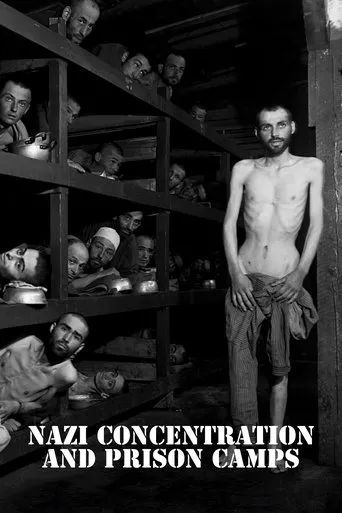
10,000 survivors, one sergeant's camera, and the silence Sweden still hasn't broken.
The film starts just when WWII is over. A German ship, m / s Homberg, arrived at Malmö Nyhamn on May 11, 1945. On board there were over 1300 former concentration camp prisoners to be taken care of. We then follow one of the Red Cross Sergeant who was in Germany and received prisoners from concentration camps for further transport by boat to Sweden. 10000 prisoners would be decontaminated and made ready for departure. This happened in Lübeck. He was later moved to Poland to transport medical equipment to Otwock outside Warsaw where Sweden would build a hospital. Through his amateur photos we get an insight into the difficult circumstances that prevailed.
Direction
Berggren lets amateur footage speak where narration fails.
Editing
Juxtaposes Swedish neutrality mythology against raw camp aftermath.
Director
Lisbet Kahl Berggren
Trivia, insights & behind the scenes
Sweden's 'white buses' rescue operation became national mythology; this film interrogates what happened after the cameras left.
The m/s Homberg's 1945 arrival was documented in Swedish newsreels as triumph; this film uses the same footage to question that narrative.
No ratings yet
Sign in to join the discussion — comments are spoiler-gated to your watch progress.
Discussion starters

 SE
SE