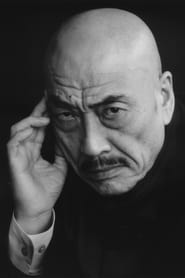
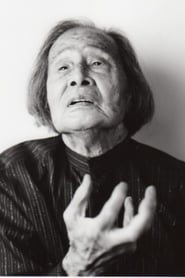
"Butoh: Body on the Edge of Crisis" is a visually striking film portrait shot on location in Japan with the participation of the major Butoh choreographers and their companies. Although Butoh is often viewed as Japan's equivalent of modern dance, in actuality it has little to do with the rational principles of modernism. Butoh is a theater of improvisation which places the personal experiences of the dancer on center-stage. By reestablishing the ancient Japanese connection of dance, music, and masks, and by recalling the Buddhist death dances of rural Japan, Butoh incorporates much traditional theater. At the same time, it is a movement of resistance against the abandonment of traditional culture to a highly organized consumer-oriented society.
Cinematography
Intimate vérité shots that feel like trespassing on sacred ritual.
Production
Rare access to Hijikata's final documented performances.

Director
Michael Blackwood
Trivia, insights & behind the scenes
Butoh emerged from post-WWII Japan as a deliberate rejection of both Western modernism and traditional Japanese aesthetics like kabuki.
Director Blackwood shot this in 1985, capturing Tatsumi Hijikata months before his death — his final on-screen appearance.

No ratings yet
Sign in to join the discussion — comments are spoiler-gated to your watch progress.
Discussion starters


 US
US