
Century-old footage of a world that colonial cameras tried to erase.
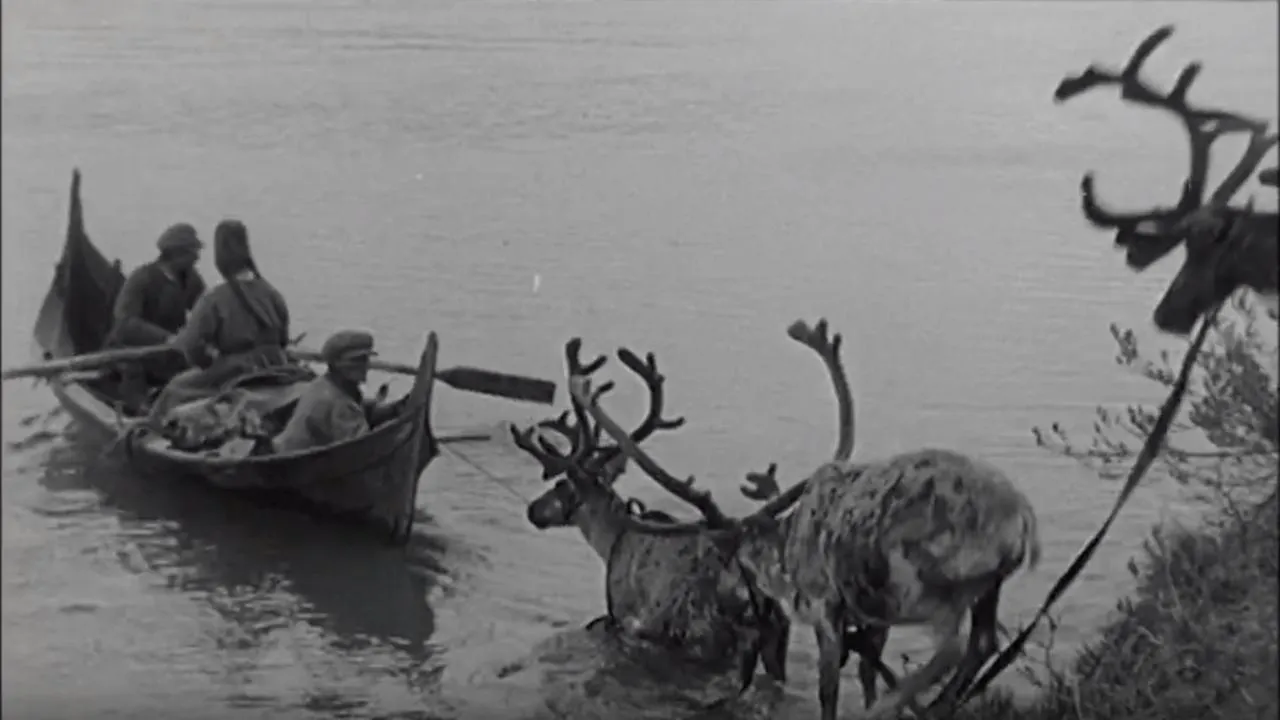
The everyday life of the Karesuando Sámi at the Sarek Mountains, near their camp, the sita. Traditionally, the Sámi have pursued a variety of livelihoods, including coastal fishing, fur trapping, and sheep herding. Their best-known means of livelihood is semi-nomadic reindeer herding. The genetic makeup of Sámi people has been extensively studied for as long as such research has been in existence. Ethnographic photography of the Sámi began with the invention of the camera in the 19th century. This continued on into the 1920s and 1930s, when Sámi , against their will, were photographed naked and anatomically measured by scientists,.
Cinematography
Stark 1920s Nordic landscapes that swallow human scale.
Direction
Bergström's complicated legacy: observer and recorder.
Director
Erik Bergström

Trivia, insights & behind the scenes
The 1920s 'Lappologist' movement measured Sámi skulls for eugenics research; this footage exists in that shadow.
Sigga Länta was reportedly paid in tobacco—a transaction that echoes through every frame she inhabits.
No ratings yet
Sign in to join the discussion — comments are spoiler-gated to your watch progress.
Discussion starters

 SE
SE