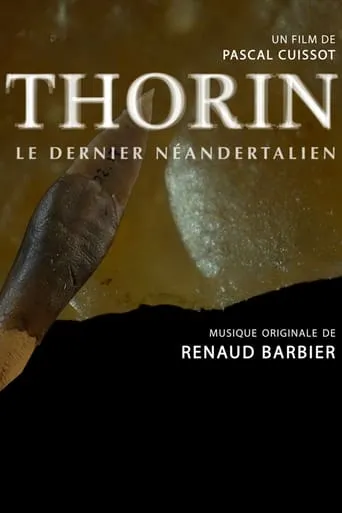
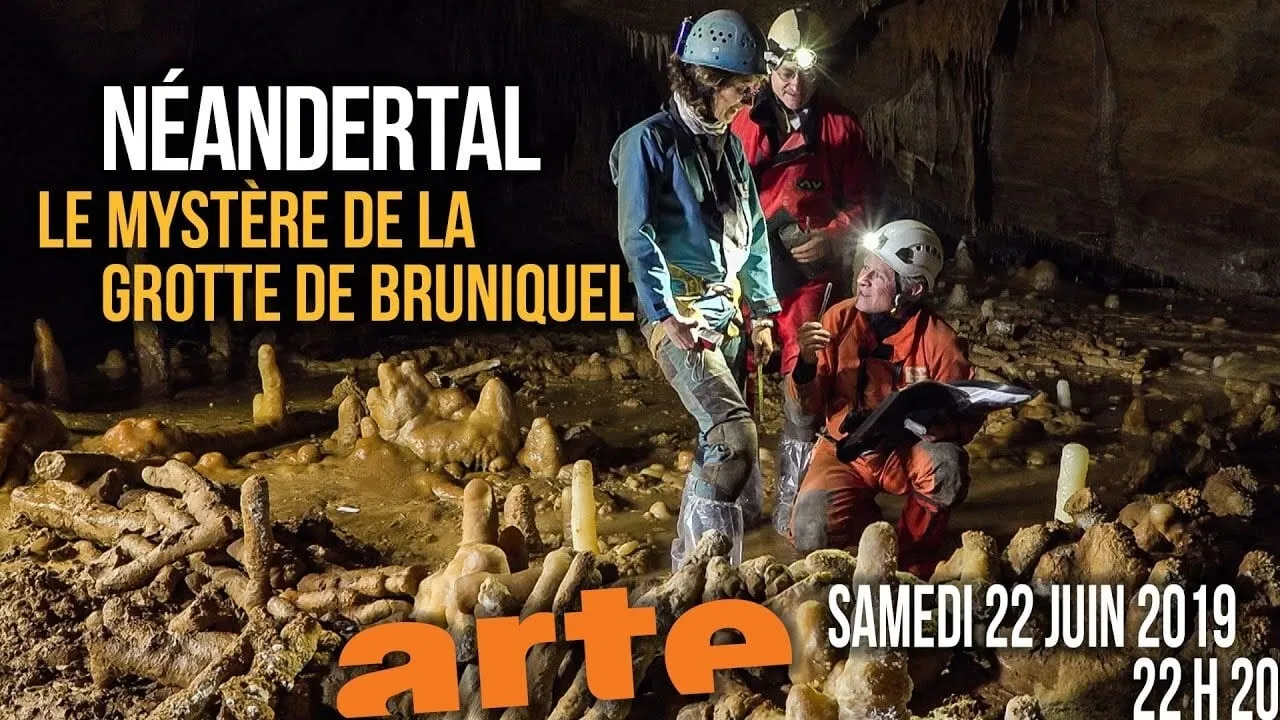
Discovered in 1990 in the Aveyron Gorges, near the village of Bruniquel, Bruno Kowalczewski discovers a cave which shows evidence of being inhabited by Neanderthals as far back as 47,000 years ago, with stalagmites arranged in circles. What significance do these limestone rings have? From when exactly do they date? For fear of damaging the remains, the excavations were stopped in the late 1990s, leaving these questions unanswered. Beginning in 2014, a new team relaunches research into the cave. Using the current uranium-thorium method, calcite samples are dated to 176,500 years ago, revealing the construction as one of the oldest ever discovered underground. This stone circle is surprisingly complex. How was it built and what was it used for? This is a story of a discovery that brings new elements to the capabilities of the Neanderthals.
Cinematography
Claustrophobic cave visuals that feel genuinely ancient
Writing
Patient storytelling that lets mystery breathe
Production
Access to one of archaeology's most restricted sites
Director
Luc-Henri Fage
Trivia, insights & behind the scenes
The uranium-thorium dating method used here can measure calcite deposits up to 500,000 years old—making this discovery relatively 'young' by its standards.
The 400 stacked stalagmites represent the oldest known human-built structure, predating Homo sapiens entirely and forcing rewrites of cognitive evolution timelines.
No ratings yet
Sign in to join the discussion — comments are spoiler-gated to your watch progress.
Discussion starters



 FR
FR