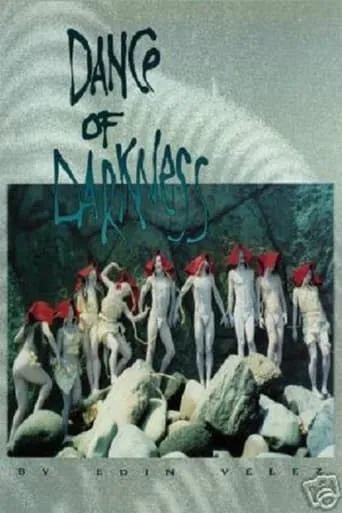
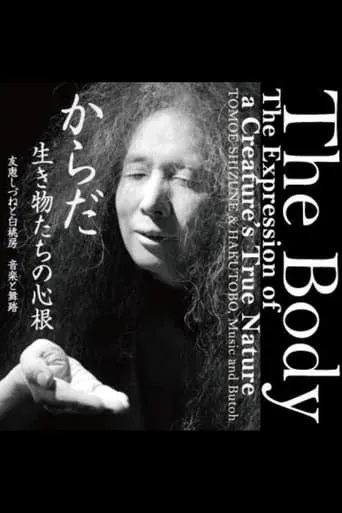
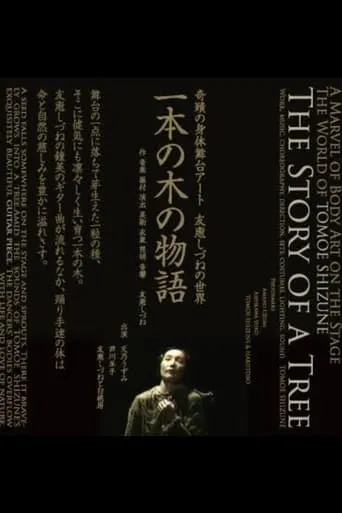
The dance revolution Japan tried to forget—until now.
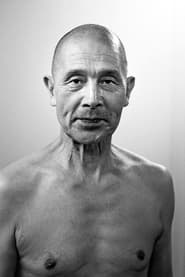
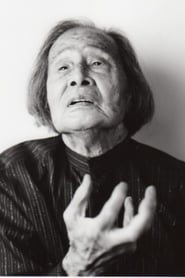
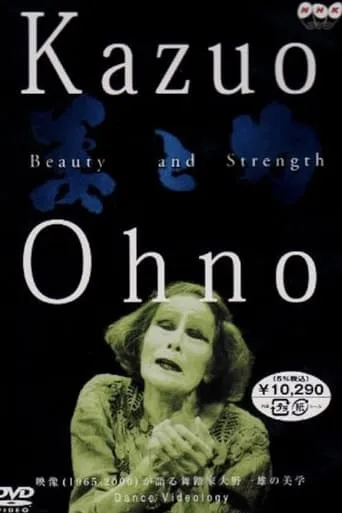
Comprising historic archive footage and texts this DVD box enlightens us greatly about Yoshito Ohno's here and now. Butoh has a distinct starting point, namely, in 1959, with Kinjiki , a duet featuring Tatsumi Hijikata and Yoshito Ohno. His father, the legendary Kazuo Ohno created another epoch-making opus in 1977 Admiring La Argentina, with Yoshito Ohno as production manager. These links are no mere coincidence. To date, we've tended to overlook Yoshito Ohno, barely granting him the recognition he merits. Just as dance requires a lengthy gestation period in which to evolve, his dance has finally come into our field of vision, in all its freshness and stark-nakedness, linking Butoh's origins to its zenith, to a point where he now stands at a crossroads.
Direction
Yoshito finally films himself—after decades of being filmed by others.
Production
Rare Kinjiki footage that Hijikata himself tried to suppress.
Editing
Collage structure mirrors Butoh's own fragmented, haunted logic.

Director
Yoshito Ohno
Trivia, insights & behind the scenes
Kazuo Ohno performed into his 90s; Yoshito was in his 70s when he finally directed this, his sole feature. The gestation was literal.
Butoh emerged from post-war Japan's shame and occupation; its 'dance of darkness' was initially so transgressive that Hijikata's own dancers sometimes required hospitalization.
No ratings yet
Sign in to join the discussion — comments are spoiler-gated to your watch progress.
Discussion starters

 JP
JP